

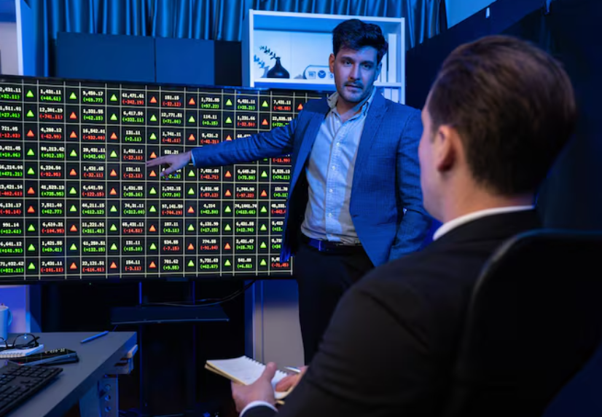
Paper trading builds core software habits, yet virtual market screens cannot fully copy live conditions. Speaking with a demo account forex specialist reveals critical gaps where practice environment results diverge from real trade performance. Fictional bank balances remove true personal risk, meaning trader minds feel no gut-wrenching fear when market candles drop fast. Execution speed inside practice servers often feels unrealistically smooth, bypassing true market order slippage completely. Order entries fill instantly, hiding execution delays that occur during volatile news releases. Understanding simulator boundaries helps traders build grounded, realistic expectations before moving real capital onto live screens. Safe practice provides value, but true trading requires acknowledging simulation limits early.
Missing Real Financial Emotional Risk
Virtual market balances protect personal cash savings, yet paper money fails to create genuine emotional risk. Losing paper equity triggers zero real-world fear, so traders hold drawdown positions longer than they should on live accounts. Clicking buy buttons feels effortless when fake money handles potential market losses. Real accounts trigger sudden hesitation, pulse spikes, and anxiety whenever trade candles swing against open positions. Practicing on paper builds technical button mastery, yet real mental discipline develops only when personal money sits on line. Recognizing emotional gaps prepares your mind for true live execution challenges.
Unrealistic Execution Order Speed Fills
Practice software servers process orders instantly because paper transactions skip institutional liquidity matching queues completely. Live market orders face true data transit latency, server queues, and unpredictable order routing delays during volatile news events. Paper trade fills rarely experience real order slippage, giving beginner traders false confidence during fast market breakout entries. In real markets, market orders often fill pips away from requested chart prices during high-volume releases. Understanding execution differences prevents surprises when switching from practice platforms to live brokerage accounts. Realistic fill expectations protect strategy performance during volatile trading sessions.
Absence of True Market Slippage
Simulated pricing feeds execute pending orders at exact requested numbers regardless of underlying market liquidity drops. Working inside a foreign exchange demo account platform shows clean chart entries, but real order books face variable spread widening during news releases. Real trading venue spreads stretch wide open during central bank rate decisions, slipping pending stop loss orders past planned levels. Paper systems rarely replicate partial fills or order rejections that happen when interbank liquidity pools dry up briefly. Knowing how slippage affects real order fills helps traders adjust risk parameters properly. True execution awareness prevents sudden account drawdowns later.
Overcoming Reckless Big Lot Habits
Starting practice accounts with huge virtual balances encourages bad position sizing habits that ruin small real accounts later. Entering massive lot sizes on paper creates false expectations of quick visual profit gains without true risk awareness. When traders transition to small real accounts, using proper micro position sizing feels painfully slow and boring by comparison. Impatience often leads to overleveraging real funds, triggering rapid account wipeouts after just a few bad trades. Resetting practice account balances to match planned live deposit amounts builds realistic position sizing habits right from the beginning. Respecting capital limits ensures long-term survival.
Ignoring True Spread Expense Impact
Static or overly tight spreads on practice platforms mask true transaction costs that eat into live daily profits. Real currency pairs experience fluctuating spread markups during quiet session rollovers and major macroeconomic announcements. High-frequency scalping strategies might look hugely profitable on paper charts, yet trading costs wipe out gains on live accounts. Calculating true bid and ask spreads across various trading hours keeps backtest projections accurate and reliable over time. Tracking real transaction costs helps traders pick strategies that remain profitable under dynamic market conditions. Objective fee analysis turns practice work into viable trading plans.
Transitioning Safely to Live Trading
Bridging the gap between paper platforms and live accounts requires a disciplined, step-by-step risk plan. Start live trading with tiny micro lot sizes to introduce real emotional pressure without risking catastrophic capital losses. Focus purely on executing predefined strategy rules rather than chasing quick financial returns during early live market sessions. Keep detailed trading logs comparing practice fill prices against actual live execution rates to spot performance differences clearly. Gradual position scaling builds true psychological strength while keeping financial risk strictly controlled. Structured transitions protect both trading capital and mental confidence.
Conclusion
Understanding practice software limits helps traders bridge the gap between virtual screens and live execution successfully. Acknowledging emotional differences, execution slippage, and spread dynamics prevents false confidence and protects trading equity over time. Treating practice environments as technical training tools rather than profit benchmarks builds realistic trading habits. To explore advanced trading tools and educational platform guides, visit btcdana.com today. Focus on disciplined rule adherence, manage position risks strictly, and let structured learning guide your ongoing journey in currency markets.